
What Causes Low Hot Water Pressure and How to Get It Back
You turn on the shower, wait for the water to warm up, and the hot side barely trickles while the cold side blasts. Low hot water pressure is one of the most common plumbing complaints in Texas homes, and it almost always has a specific, fixable cause. Summer makes the problem worse because families shower more often, run more laundry, and push their water heaters harder than any other season. When only the hot water is weak, the issue usually lives in your water heater, the pipes feeding it, or the valves and fixtures downstream. Cold water pressure staying strong is actually a helpful clue; it tells you the municipal supply is fine and the problem is inside your home. Ignoring weak hot water pressure often leads to bigger issues like sediment damage, pipe corrosion, or hidden leaks that raise your water bill. The good news is that most causes can be diagnosed quickly and repaired without replacing the entire system. This guide walks through what causes low hot water pressure and the exact steps to get it back.
What Causes Low Hot Water Pressure in Your Home
Low hot water pressure almost never happens without a reason, and the most common causes fall into three categories. Sediment buildup inside the water heater tank restricts flow before the water ever leaves the unit. Corroded pipes and partially closed valves choke the hot water line on its way to your fixtures. Hidden leaks steal pressure by letting hot water escape before it reaches the tap. Hard water across Tarrant County accelerates all three problems because dissolved minerals coat tanks, pipes, and fixtures over time. Homes built before the 1990s with galvanized steel piping are especially prone to hot side pressure loss. Understanding which cause applies to your home is the first step toward a real fix instead of a temporary patch.
Sediment Buildup Causes Low Hot Water Pressure in Water Heaters
Every gallon of water that enters your water heater carries dissolved minerals like calcium and magnesium. When that water is heated, the minerals fall out of solution and settle at the bottom of the tank as sediment. Over months and years, that sediment layer grows into a thick crust that can occupy several inches of tank space. The sediment restricts water movement inside the tank and can clog the hot water outlet at the top. It also insulates the water from the burner or heating elements, which forces the unit to run longer and work harder. You may hear popping or rumbling sounds as trapped water boils beneath the sediment layer. Those noises are a classic warning sign that pressure problems are coming. Benbrook and Fort Worth homes deal with moderately hard water, so sediment accumulates faster here than in many other regions.
Tankless water heaters are not immune to this problem either. Mineral scale coats the heat exchanger inside a tankless unit and narrows the internal passages that water flows through. As scale thickens, flow rate drops and the unit may reduce output or shut down to protect itself. Tank style heaters show the problem differently; sediment can break loose and travel into the hot water lines. Those loose flakes then lodge in faucet aerators, showerheads, and valve cartridges throughout the house. That is why homeowners often notice weak hot water at one fixture first, then several fixtures over time. A water heater that has never been flushed is almost guaranteed to have significant buildup after three to five years. The older the unit, the more likely sediment is the root cause of your pressure loss.
The fix for sediment depends on how far the problem has progressed. A professional flush can remove loose sediment and restore flow in a heater that is still in decent condition. Heavily crusted tanks sometimes cannot be fully cleaned because the sediment has hardened into solid scale. In those cases, the buildup has usually damaged the tank lining and shortened the remaining lifespan of the unit. A licensed plumber can inspect the tank, measure recovery performance, and tell you honestly if flushing will help. Annual maintenance prevents the cycle from starting again once flow is restored. Water softeners and filtration systems also slow mineral accumulation dramatically. Is your water heater struggling with sediment? Click here for our water heater repair service.
Corroded Pipes and Valves Cause Low Hot Water Pressure
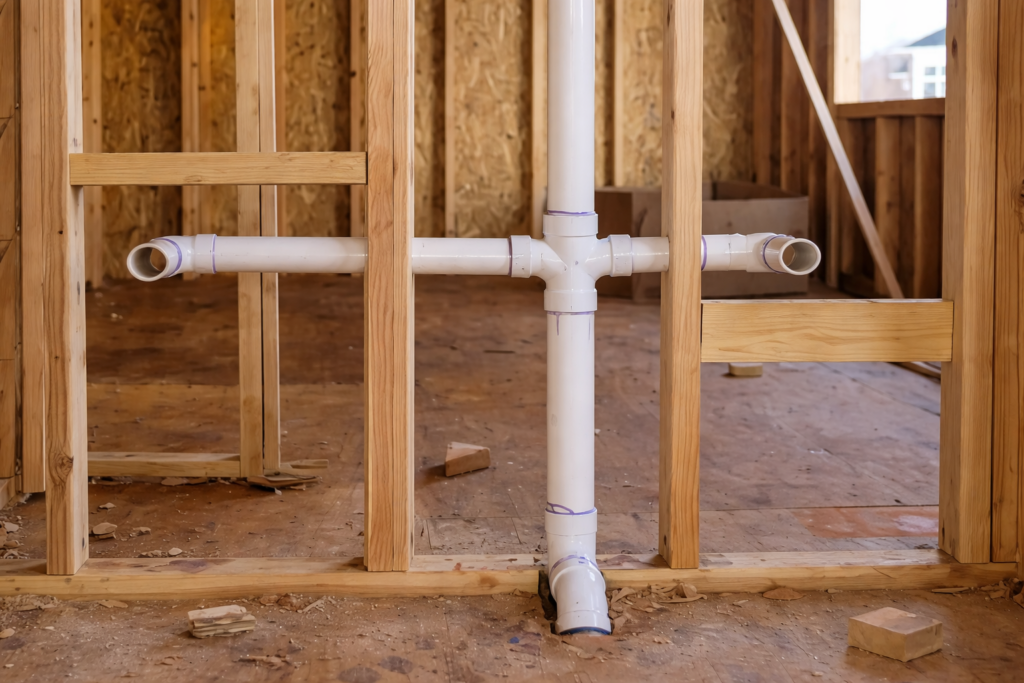
Hot water is harder on pipes than cold water, and that is not a coincidence. Heat accelerates chemical reactions, so corrosion attacks hot water lines faster than the cold lines running right beside them. Galvanized steel pipes are the worst offenders because their zinc coating breaks down and exposes bare steel to rust. Rust builds inward, narrowing the pipe diameter year after year until a two inch opening shrinks to the width of a pencil. Water still flows, but volume and pressure drop noticeably at every hot tap in the house. Many older Fort Worth and White Settlement homes still have original galvanized piping from decades ago. If your home was built before 1990 and only the hot water is weak everywhere, corroded piping should be your prime suspect. Discolored or rusty hot water is another strong indicator.
Valves cause their own share of hot water pressure problems. Every water heater has a shutoff valve on the cold inlet line, and if that valve is even partially closed, the entire hot water system starves. These valves sometimes get bumped, corroded, or left half open after previous repairs. Individual fixtures also have small shutoff valves under sinks that can restrict hot flow to a single faucet. Pressure balancing valves inside shower controls fail over time as well, and a stuck valve can crush hot water flow in one shower while everything else works fine. The temperature and pressure relief valve on the heater itself can also contribute when it malfunctions. Checking valves is quick and free, so it is always worth doing before assuming pipes are the problem. A plumber will inspect every valve in the hot water path during a proper diagnosis.
Corrosion inside pipes cannot be reversed, only replaced. Spot repairs work when a single section of pipe has failed, but widespread corrosion usually calls for repiping the hot water lines. Modern PEX and copper piping resist corrosion and restore full flow for decades. Repiping sounds like a major project, but experienced crews complete most homes faster than owners expect. The pressure improvement after repiping is often dramatic; showers feel completely different on day one. Leaving corroded pipes in place invites pinhole leaks, which cause water damage on top of pressure loss. Wondering if your old pipes need replacing? Click here for our repiping service.
Hidden Leaks Cause Low Hot Water Pressure Throughout the House
A leak anywhere on the hot water side bleeds pressure from every hot fixture in the home. Hot water lines run under slabs, through walls, and across attics, so leaks often stay hidden for weeks or months. Slab leaks are especially common in North Texas because our expansive clay soil shifts with moisture changes and stresses buried pipes. Summer drought conditions make the soil contract and pull on slab piping, which is exactly why slab leaks spike during hot Texas summers. A hot water slab leak has telltale signs beyond weak pressure. Warm spots on the floor, the sound of running water when everything is off, and a water heater that never stops running all point to a hidden hot side leak. Your water bill climbing without explanation is another red flag worth taking seriously.
The pressure math on leaks is simple and unforgiving. Water follows the path of least resistance, and a leak is an open escape route that competes with your faucets. Even a small pinhole leak on a pressurized hot line can dump hundreds of gallons per month into the ground or a wall cavity. That escaping water reduces the volume available at your fixtures, and pressure drops accordingly. Leaks near the water heater connections are common because those fittings endure constant temperature swings that expand and contract the metal. Flexible supply connectors and dielectric unions at the heater are frequent failure points. Moisture, rust stains, or white mineral crust around the heater fittings mean water has been escaping there. Catching these small leaks early prevents both pressure loss and expensive water damage.
Finding a hidden leak requires the right equipment, not guesswork. Professional leak detection uses acoustic listening devices, thermal imaging, and pressure testing to pinpoint leaks without tearing open walls or floors. Precise location matters because it turns a destructive search into a targeted repair. A plumber can isolate the hot water system, pressure test it, and confirm within minutes if a leak exists. Once located, most hot water leaks are repaired the same day. Every day a hot leak runs, you pay to heat water that goes straight into the dirt. Suspect a hidden leak is stealing your hot water pressure? Click here for our leak detection service.
How to Get Your Hot Water Pressure Back
Once you understand the likely cause, restoring hot water pressure follows a logical order. Start with the simple checks that cost nothing, like valves and fixture screens, before moving to the water heater itself. Flushing the heater addresses sediment, the most common culprit in Tarrant County homes. Valve adjustments and fixture cleaning solve localized pressure problems at individual sinks and showers. Problems rooted in corroded pipes, failed valves, or hidden leaks require professional repair to fix permanently. The steps below move from easiest to most involved so you can work through them efficiently. Most homeowners identify their cause within the first two steps. Getting the diagnosis right the first time saves money and prevents repeat problems down the road.
Flush the Water Heater to Get Hot Water Pressure Back
Flushing removes the loose sediment that restricts flow inside the tank. The process starts by turning off power to an electric heater at the breaker, or setting a gas heater to pilot. Next, close the cold water inlet valve to stop new water from entering the tank. Connect a garden hose to the drain valve at the bottom of the heater and run the hose to a floor drain or outside. Open a hot water faucet somewhere in the house to break the vacuum, then open the drain valve. Water will rush out carrying sediment with it, and you may see cloudy water or visible mineral flakes. Once the tank empties, briefly open the cold inlet in short bursts to stir up remaining sediment and flush it out. Repeat until the drain water runs clear.
There are important cautions to respect during this process. The water inside the tank can exceed 120 degrees, so letting it cool for a few hours before draining prevents scald injuries. Old plastic drain valves become brittle and sometimes snap or refuse to close after being opened for the first time in years. If your heater has never been flushed and is more than eight years old, the flush can dislodge sediment that was actually sealing small tank imperfections. That is not a reason to skip maintenance; it is a reason to have a professional handle neglected units. A plumber can also replace a failing drain valve on the spot and check the anode rod while the tank is drained. The anode rod sacrifices itself to protect the tank from corrosion, and a spent rod shortens tank life significantly. These extra checks turn a simple flush into a full health assessment.
Consistency is what makes flushing effective long term. One flush restores flow, but annual flushing keeps sediment from ever reaching problem levels again. Homes with harder water or high hot water usage benefit from flushing every six months. Tankless units need a descaling flush with a circulation pump and cleaning solution, which is a different procedure from a tank drain. Pairing regular flushing with a professional inspection catches small issues like failing elements, weak burners, and worn valves before they cause pressure loss. Think of it the same way you think of oil changes for your vehicle. Want a professional to handle it? Click here for our water heater inspection service.
Check Valves and Fixtures to Get Hot Water Pressure Back
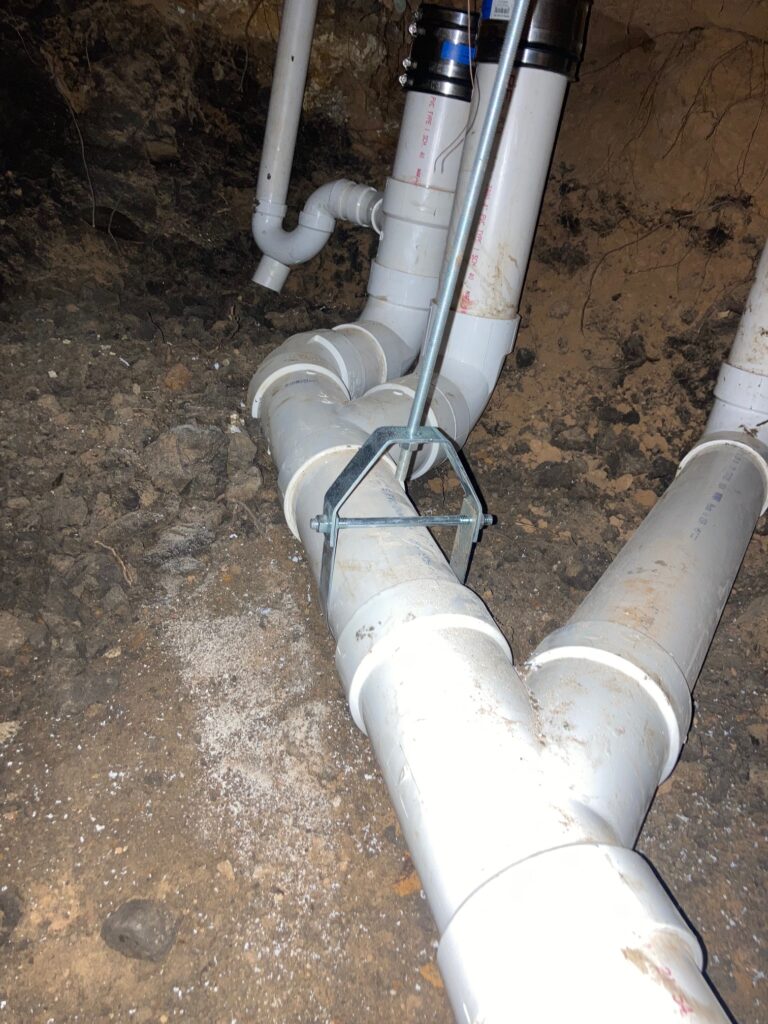
Valve checks are free and take about fifteen minutes. Start at the water heater and confirm the cold inlet valve is fully open; a gate valve should be turned counterclockwise until it stops, and a ball valve handle should sit parallel to the pipe. Even a valve that is ninety percent open can measurably reduce hot water flow to the whole house. Next, check the shutoff valves under any sink with weak hot water. These small angle stops corrode internally and restrict flow even when the handle appears fully open. Turning them closed and open a few times can break loose internal buildup. If a valve feels stiff, crusty, or leaks when operated, it needs replacement. Old valves fail more often than homeowners expect, and replacement is an inexpensive fix.
Fixtures themselves trap sediment that travels through hot water lines. Unscrew the aerator from a weak faucet and inspect the small screen inside; mineral flakes and grit collect there constantly. Soak the aerator in white vinegar for thirty minutes, scrub it with an old toothbrush, and reinstall it. Showerheads clog the same way, and the same vinegar soak restores their spray pattern. Single handle faucets and shower valves contain cartridges with narrow internal passages that clog with debris from the water heater. A clogged cartridge produces weak hot flow at just that one fixture while everything else works normally. Cartridge replacement solves the problem and usually fixes temperature balance issues at the same time. Fixtures near the water heater clog first because they receive debris before it settles elsewhere.
If cleaning fixtures restores pressure temporarily but the clogging returns, that pattern tells you something important. Recurring debris means the water heater or the pipes are shedding material continuously, and the fixtures are just the symptom. Chasing clogged aerators every month is a losing battle when the source keeps producing sediment or rust. That is the point where a professional evaluation of the heater and hot water piping pays for itself. A plumber can determine if the debris is mineral scale from the tank or rust flakes from corroding pipes. Each answer leads to a different permanent solution. Faucets still weak after cleaning? Click here for our faucet repair service.
Schedule Professional Repairs to Get Hot Water Pressure Back
Some causes of low hot water pressure simply cannot be fixed from the homeowner side. Corroded galvanized piping requires replacement, and that means cutting into walls or running new lines through the attic. Slab leaks demand precise detection equipment and specialized repair techniques like rerouting or tunneling. Failed pressure balancing valves inside shower walls require valve body work that must be done correctly to avoid leaks behind tile. Water heaters with hardened scale, failed dip tubes, or corroded outlets often need internal repairs or full replacement. A broken dip tube is a sneaky one; it lets cold water short circuit to the hot outlet, which feels like both a pressure and temperature problem. Professionals diagnose these issues quickly because they see them every week. Guessing wrong on a DIY repair often costs more than the correct professional fix would have.
A proper professional diagnosis follows a process, not a hunch. The plumber measures static and flowing pressure at multiple fixtures to map where the loss occurs. They test the water heater inlet and outlet, inspect all accessible valves, and check for temperature drop that signals a leak or crossover. Pressure readings isolate the problem to the heater, the piping, or the fixtures with real data. That data driven approach means you pay to fix the actual cause instead of replacing parts on speculation. Licensed plumbers also verify the pressure reducing valve on your main line, since a failing PRV affects hot water first in some configurations. Everything gets documented so you understand exactly what was found. Honest diagnosis is the foundation of a repair that lasts.
Timing matters more than most homeowners realize. Pressure problems trend in one direction, and that direction is worse. Sediment keeps accumulating, corrosion keeps spreading, and leaks keep growing until they fail catastrophically. A weak hot shower today can become a flooded slab or a ruptured tank next month. Summer is actually the ideal season for hot water system repairs because demand on the heater is lower and scheduling is flexible before the fall rush. Addressing the problem now also means your system is ready when winter arrives and hot water demand peaks. Repairs completed early are almost always smaller and cheaper than repairs forced by an emergency.
Why You Need a Professional for Low Hot Water Pressure Problems
Low hot water pressure looks like a minor annoyance, but it is a symptom of a system in decline. The underlying causes involve pressurized lines, gas connections, electrical components, and scalding water, all of which carry real risk when handled incorrectly. A professional plumber identifies the true cause in one visit instead of leaving you to guess through trial and error. Professional repairs also come with warranties, so the fix is guaranteed rather than hoped for. Texas licensing requirements exist because plumbing mistakes damage homes and endanger families. Bringing in a licensed expert protects your home, your water heater investment, and your peace of mind.
Professional Diagnosis Solves Low Hot Water Pressure Fast
Homeowners often spend weekends swapping showerheads and cleaning aerators while the real problem sits untouched. A professional cuts through that guesswork with pressure gauges, flow measurements, and systematic testing. Within an hour, a licensed plumber can tell you if the issue is the heater, the pipes, a valve, or a leak. That speed matters because every wrong guess costs you money on parts that did not need replacing. Accurate diagnosis is the difference between a fifty dollar valve fix and an unnecessary heater replacement. Fast answers also mean your hot water returns to full strength in days, not months.
Professional tools reveal what eyes cannot see. Thermal cameras show hot water traveling under slabs where it should not be. Acoustic equipment hears pinhole leaks hissing inside walls. Pressure tests isolate each section of pipe to confirm exactly where flow is being lost. Camera inspection can even look inside larger lines to document corrosion directly. No homeowner toolkit includes this equipment, and no online guide replaces it. The technology exists specifically because hot water pressure problems hide in places you cannot reach.
Experience multiplies the value of the tools. A plumber who has diagnosed hundreds of pressure complaints recognizes patterns instantly. Rusty hot water plus a home built in 1975 tells a story before any testing begins. Popping sounds from the heater plus weak flow at every hot tap tells a different one. That pattern recognition means less time diagnosing and more time fixing. You benefit from every previous job that plumber has ever completed.
Professional Repairs Prevent Low Hot Water Pressure From Returning
A temporary fix that fails in six months is not really a fix. Professional repairs address root causes so the pressure problem does not come back. Replacing a corroded pipe section with quality PEX or copper eliminates that failure point for decades. Installing a new drain valve, anode rod, and dip tube during heater service extends the life of the entire unit. Correct parts, correct installation, and correct testing after the repair all compound into lasting results. That permanence is what separates professional work from patch jobs.
Prevention is built into professional service. A good plumber does not just fix the immediate complaint; they identify the next likely failure and tell you about it honestly. Maybe the pipes are fine today but the heater is entering its final years. Maybe the heater is healthy but the pressure reducing valve is drifting out of spec. Knowing what is coming lets you budget and plan instead of reacting to emergencies. Scheduled maintenance visits then keep sediment, corrosion, and valve wear from ever reaching the point of pressure loss again.
Warranties turn professional repairs into protected investments. Licensed plumbers stand behind their work with written guarantees on both parts and labor. If something related to the repair fails, it gets fixed at no additional cost. DIY repairs carry no such protection, and mistakes can even void your water heater manufacturer warranty. Insurance considerations matter too, since unpermitted or unlicensed work can complicate claims after water damage. Professional repair is the only path that protects you on every front.
Why Choose TD Plumbing Solutions for Low Hot Water Pressure
TD Plumbing Solutions is based right here in Benbrook and serves Tarrant County homes every single day. Local roots mean fast response times when your hot water pressure drops, and real familiarity with the aging pipes and hard water conditions common across Fort Worth, Weatherford, Burleson, and surrounding communities. When you call, you speak to a real person, not an automated phone tree. Our team answers questions directly and gets a plumber to your door quickly. We know these neighborhoods because we live in them. That local knowledge shows up in faster, more accurate diagnoses.
We believe in being your plumber for life, not for the day. That means honest recommendations, clear explanations, and education so you understand exactly what your system needs. You will never face upsells or pressure tactics from our technicians. If a simple flush solves your pressure problem, that is what we recommend. If your pipes genuinely need replacement, we explain why and show you the evidence. Trust is earned one honest visit at a time, and we protect that trust on every job.
TD Plumbing Solutions is fully licensed in Texas under RMP 45333, and we back every job with generous warranties. Major repairs do not have to wait for the perfect budget moment either, because we partner with Hearth to offer flexible financing options. Trained professionals handle your repair from diagnosis to final pressure test, and we stand behind every install we complete. Your hot water pressure can be back to full strength faster than you think. Call TD Plumbing Solutions today at (817) 229-9450 to schedule your hot water pressure diagnosis.