
Tank vs Tankless Water Heaters Which One Makes Sense for Your Home
Choosing between a tank and tankless water heater is one of the biggest plumbing decisions a homeowner will make. Both systems heat water for your showers, laundry, and dishes, but they work in completely different ways. A tank water heater stores heated water and keeps it warm around the clock. A tankless water heater heats water on demand, only when a faucet or appliance calls for it. Summer is actually the smartest time to compare your options, because replacing a water heater before it fails in the middle of winter saves you stress and money. Texas homeowners also see higher energy bills in summer, which makes efficiency a timely topic. This guide breaks down how each system works, what each one costs, and which one fits your household best. By the end, you will know exactly which direction makes sense for your home.
How Tank and Tankless Water Heaters Work in Your Home
Understanding the mechanics behind each water heater type makes the decision much easier. A traditional tank water heater holds 40 to 80 gallons of water and heats it continuously using gas burners or electric elements. A tankless water heater, also called an on demand water heater, uses a powerful heat exchanger to warm water instantly as it flows through the unit. The differences in design affect everything from energy use to lifespan to the amount of space each unit takes up. Hot water delivery also feels different between the two systems. One gives you a large reserve; the other gives you an endless stream at a fixed flow rate. Knowing these fundamentals helps you match the right water heater to your family’s habits.
How a Tank Water Heater Stores and Heats Water
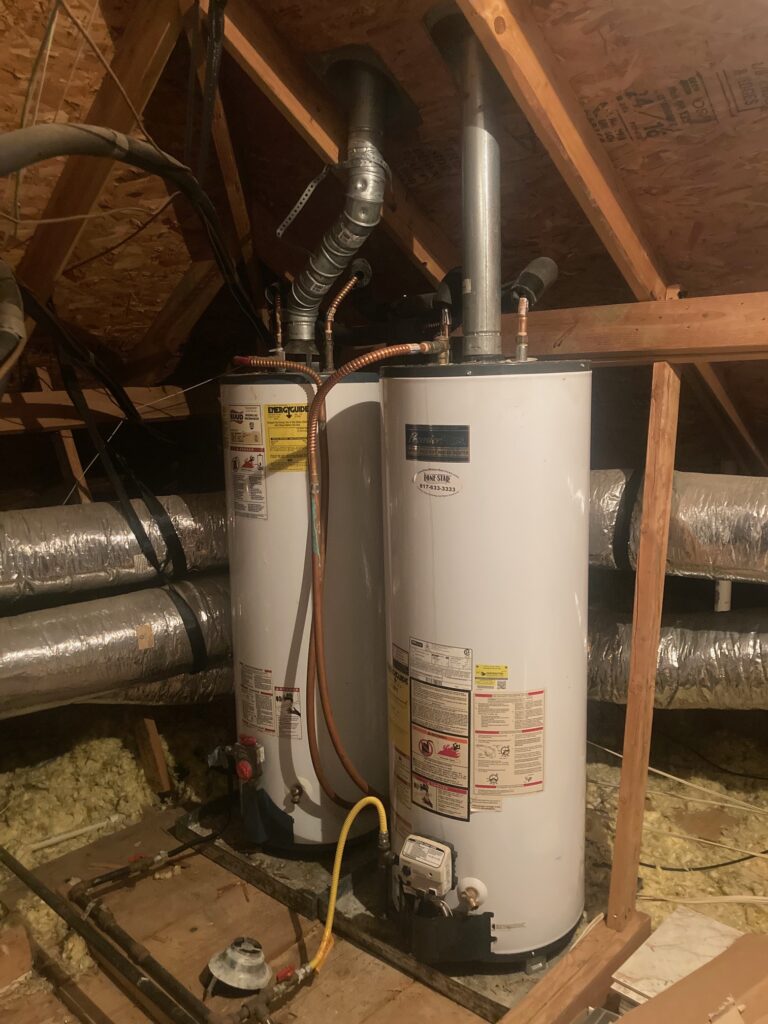
A tank water heater is the system most Texas homes were built with, and its operation is simple. Cold water enters the tank through a dip tube that pushes it to the bottom, where a gas burner or electric heating elements warm it. Heated water rises to the top of the tank, where the hot water outlet draws it into your plumbing when you open a tap. A thermostat monitors the water temperature and fires the burner or elements whenever the temperature drops below the set point. This cycle repeats all day and all night, even when nobody is home using hot water. That constant reheating is called standby heat loss, and it is the main efficiency drawback of a tank water heater.
Tank water heaters also rely on several safety and maintenance components that homeowners should know about. The temperature and pressure relief valve releases excess pressure to prevent dangerous tank ruptures. A sacrificial anode rod inside the tank attracts corrosive minerals so the steel tank lining lasts longer. In Tarrant County, our hard water eats through anode rods faster than in many other regions, which shortens tank life without regular checks. Sediment from hard water also settles at the bottom of the tank, forcing the burner to work harder and creating rumbling or popping noises. Annual flushing removes that sediment and keeps the unit running efficiently. Skipping this maintenance is the number one reason tank water heaters fail early.
The biggest advantage of a tank water heater is its lower upfront cost and simple installation. Most tank units cost significantly less to purchase and install than tankless models, especially when replacing an existing tank. Recovery time is the tradeoff, because once the stored hot water runs out, you wait for the tank to reheat. A family of five taking back to back showers knows this pain well. Tanks typically last 8 to 12 years in North Texas, and hard water can shave time off that lifespan. If your tank is approaching a decade old, replacement planning should start now. Thinking about a new unit before yours leaks? Click here for our water heater installation service.
How a Tankless Water Heater Heats Water on Demand
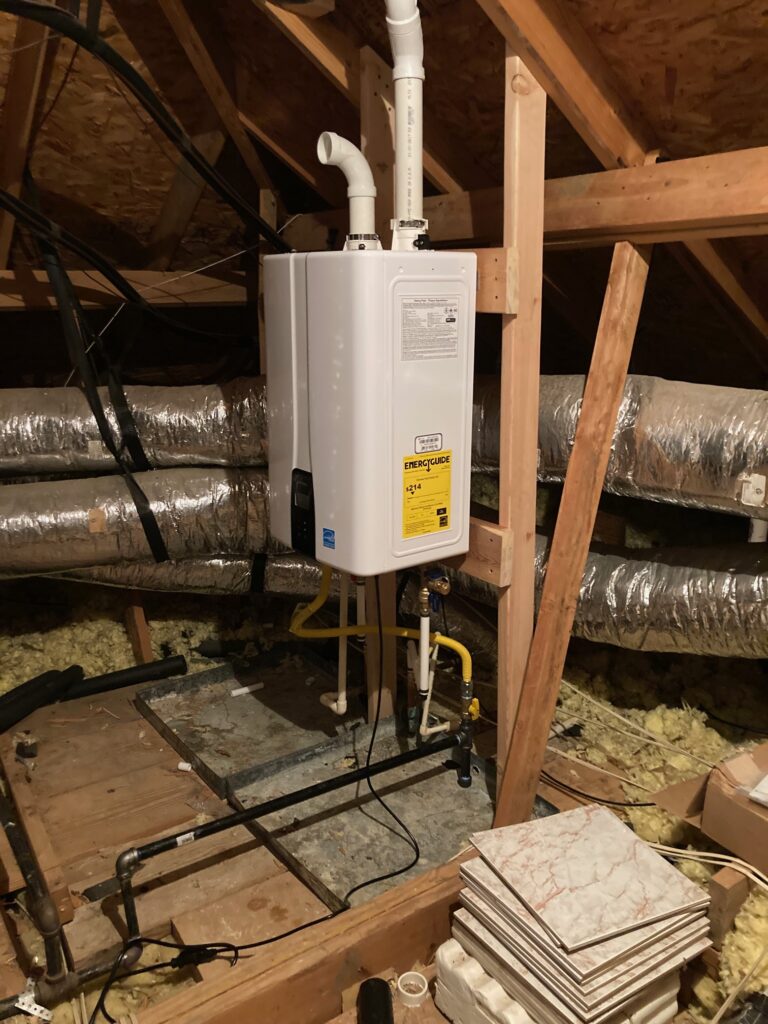
A tankless water heater takes a completely different approach by eliminating stored water altogether. When you open a hot water tap, a flow sensor inside the unit detects moving water and ignites the burner or activates the electric elements. Cold water passes through a heat exchanger, which transfers intense heat to the water in seconds. The water exits the unit at your set temperature and flows straight to your faucet or shower. When you close the tap, the unit shuts off completely and uses no energy at all. This on demand design eliminates standby heat loss, which is why tankless units are 24 to 34 percent more efficient for typical households according to the Department of Energy.
Flow rate is the most important specification to understand with a tankless water heater. Units are rated in gallons per minute, and residential models typically deliver 5 to 10 GPM depending on size and fuel type. Gas tankless units generally produce higher flow rates than electric models, which matters for larger homes. Incoming groundwater temperature also affects output; the colder the water entering the unit, the harder the heat exchanger works. Benbrook and Fort Worth homes benefit from relatively warm groundwater, so tankless units perform well here year round. Sizing the unit correctly for simultaneous demands, like a shower and dishwasher running together, is where professional installation makes all the difference.
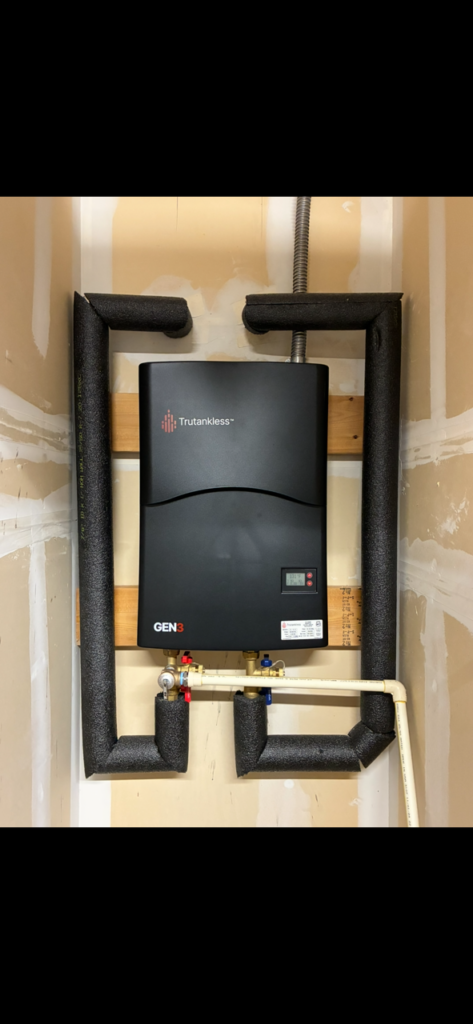
Tankless water heaters last 20 years or more, roughly double the lifespan of a tank. They mount on a wall and free up closet or garage space, which many homeowners love. The tradeoffs are a higher upfront cost and potential upgrades to gas lines or venting during installation. Hard water maintenance still matters; the heat exchanger needs periodic descaling to prevent mineral buildup. Many manufacturers offer strong warranties on the heat exchanger, often 12 to 15 years. Curious what going tankless would look like in your home? Click here to learn about our tankless water heater services.
Comparing Water Heater Energy Costs and Efficiency
Energy efficiency is where the tank vs tankless debate gets real for your monthly budget. A tank water heater loses heat through its walls constantly, even with modern insulation. That standby loss means you pay to reheat the same water multiple times a day. Homes using 41 gallons or less of hot water daily see the biggest tankless savings, often 24 to 34 percent on water heating costs. Heavy use households still save with tankless, though the percentage drops to around 8 to 14 percent. Over a 20 year tankless lifespan, those savings add up to hundreds or even thousands of dollars. Water heating is typically the second largest energy expense in a home, so efficiency gains matter.
Fuel type plays a major role in operating costs for both systems. Natural gas is cheaper than electricity in most of Texas, so gas units of either style usually cost less to run. Gas tankless units carry the highest efficiency ratings, with condensing models reaching 0.90 Uniform Energy Factor or better. Electric tank heaters are the least expensive to buy but often the most expensive to operate. Summer in Texas also gives tank owners a hidden cost; a hot garage tank radiates heat, but an attic or interior closet tank adds warmth your air conditioner must remove. Tankless units produce no standby heat, which is a small but real summer bonus.
Efficiency also depends on maintenance, regardless of which system you choose. A sediment filled tank can lose 10 percent or more of its efficiency as the burner struggles to heat through mineral buildup. A scaled tankless heat exchanger suffers similar losses and can trigger error codes that shut the unit down. Annual professional maintenance keeps both systems performing at their rated efficiency. Rebates and tax credits frequently favor high efficiency tankless models, which offsets some of the upfront price difference. Ask your installer about current federal energy credits before you buy. The right maintenance plan protects your investment either way.
Which Water Heater Is Right for Your Household Size and Budget
The best water heater for your home depends on how many people live there, how you use hot water, and what you can invest today. A retired couple has very different hot water needs than a family of six with teenagers. Budget matters too, both the upfront installation cost and the long term operating cost. Space constraints, fuel availability, and future plans for the home all factor into the decision. There is no universal right answer, only the right answer for your situation. This section walks through the practical considerations that point most homeowners toward one system or the other. Honest evaluation of these factors prevents buyer’s remorse later.
The Best Water Heater for Large Families and High Demand Homes
Large families put serious stress on any water heater, and the wrong choice creates daily frustration. A household of five or more people can drain a 50 gallon tank with just a few showers, leaving the last person shivering. Upgrading to a 75 or 80 gallon tank helps, but bigger tanks cost more to run and take up more space. Recovery rate becomes the bottleneck; even a large tank needs 30 to 60 minutes to reheat after heavy use. Morning routines in busy households often collide with this limitation. Staggering showers works, but nobody enjoys scheduling their hygiene around an appliance. This is the exact scenario where tankless technology shines brightest.
A properly sized gas tankless water heater delivers endless hot water for as long as the tap runs. The key phrase is properly sized, because flow rate limits how many fixtures can run simultaneously. A 9 to 10 GPM unit handles two showers and a washing machine at once in most North Texas homes. Some large households install two tankless units in parallel for unlimited simultaneous capacity. That setup costs more upfront but solves the hot water problem permanently. Families who switch from tank to tankless consistently report the endless supply as their favorite feature. No more cold shower lottery on busy mornings.
Budget conscious large families should run the long term math before deciding. A big tank costs less today but gets replaced twice in the time one tankless unit lasts. Add the higher operating costs of heating 80 gallons around the clock, and the lifetime numbers often favor tankless. Financing bridges the upfront gap for many homeowners; TD Plumbing Solutions partners with Hearth to offer flexible payment options on major projects. That means you can install the right system now instead of settling for a temporary fix. A licensed plumber can calculate your household’s peak demand and recommend accurate sizing.
The Best Water Heater for Small Homes and Tight Budgets
Small households have a different calculation, and a tank water heater often remains the sensible pick. One or two people rarely exhaust a 40 gallon tank, so the endless supply of tankless is less of a selling point. The lower purchase and installation price of a tank keeps more money in your pocket today. Replacement installations are usually straightforward when a tank swaps in for an existing tank. Gas lines, venting, and electrical connections typically stay right where they are. For homeowners planning to sell within a few years, a new tank adds value without the premium tankless investment. Simple needs deserve simple solutions.
That said, small homes with space constraints sometimes benefit from going tankless. A wall mounted tankless unit frees up an entire closet or a chunk of garage space. Condos, tiny homes, and older houses with cramped utility areas gain real usable square footage. Low hot water usage also means small households capture the highest percentage energy savings from tankless, up to 34 percent. A modest electric tankless unit can even serve a small home affordably where gas is unavailable. The upfront premium shrinks when you factor in 20 plus years of lower bills. Space and efficiency together can tip the scales.
Budget decisions should also account for the age and condition of your current system. Repairing a 10 year old tank is often throwing good money after bad, because another failure is around the corner. A leaking tank can dump 50 gallons onto your floor and cause thousands in water damage. Proactive replacement on your schedule always beats emergency replacement on the water heater’s schedule. Summer is the ideal season to plan this project, before holiday guests and winter demand arrive. Not sure if your current unit needs repair or replacement? Click here for our water heater repair service.
Water Heater Installation Costs and Long Term Value Compared
Upfront installation cost is the most visible difference between tank and tankless systems. A standard tank replacement in the Fort Worth area typically runs from around $1,500 to $3,500 installed, depending on size and fuel type. Tankless installations usually range from $3,500 to $6,500 or more, especially when converting from a tank for the first time. The conversion premium comes from upgraded gas lines, new venting, and sometimes electrical work the tankless unit requires. Once the infrastructure exists, future tankless replacements cost much less. These are general ranges, and every home is different, so an in person quote is the only accurate number. Beware of any company quoting a firm price without seeing your setup.
Long term value flips the comparison in many cases. A tankless unit lasting 20 years outlives two consecutive tanks, which means you skip an entire replacement cycle. Energy savings of $100 or more per year compound over two decades. Tankless warranties are typically longer and stronger, protecting the most expensive component of the system. Home resale value also gets a bump, because buyers recognize tankless as a premium modern upgrade. Tanks hold value differently; they are the expected baseline, not a selling feature. Total cost of ownership, not sticker price, tells the true story.
Hidden costs deserve attention on both sides of the ledger. Tank owners should budget for annual flushing and eventual anode rod replacement to reach full lifespan. Tankless owners need periodic descaling, especially with Tarrant County hard water, and a water softener or filtration system extends heat exchanger life significantly. Neglecting maintenance voids many manufacturer warranties on both system types. Permits and code compliance add cost with unlicensed installers who cut corners, and those corners come back expensive. A licensed professional installation protects your warranty, your safety, and your home. Cheap installation is the most expensive mistake in the water heater business.
Why You Need a Professional Water Heater Installation
Water heater installation is not a weekend DIY project, no matter what online videos suggest. These systems combine gas lines, high voltage electricity, pressurized water, and combustion venting in one appliance. A single mistake can cause gas leaks, carbon monoxide exposure, scalding, flooding, or fire. Texas requires licensed plumbers for water heater work, and permits protect you during resale and insurance claims. Professional sizing also guarantees you actually get the performance you paid for. The right installer turns a major purchase into decades of trouble free hot water.
The Dangers of DIY Water Heater Installation
DIY water heater installation carries risks that most homeowners never see coming. Gas connections that are not properly tested can leak slowly into your home for weeks. Improper venting allows carbon monoxide, an odorless killer, to accumulate in living spaces. Electric units involve 240 volt circuits that can cause severe injury or electrical fires when wired wrong. Even the water side is dangerous; a missing or blocked relief valve can turn a tank into a literal rocket. These are not scare tactics, they are documented failure modes that plumbers see in the field.
Code violations create financial risks on top of the safety hazards. Unpermitted water heater work can void your homeowners insurance coverage if a related loss occurs. Home inspectors flag improper installations during sales, forcing expensive corrections at the worst possible time. Manufacturer warranties often require proof of professional installation, so DIY work can leave you unprotected. What looked like savings becomes a liability sitting in your garage. Doing it right the first time is always cheaper than doing it twice.
Tankless installations raise the stakes even higher for amateurs. Gas tankless units frequently need larger gas supply lines than the old tank used. Venting requirements are specific to each model, and condensing units need condensate drainage handled correctly. Undersized gas lines cause error codes, lukewarm water, and premature component failure. Professional installers verify gas pressure, venting clearances, and water quality before the unit ever fires. That verification is the difference between a great tankless experience and a frustrating one.
The Benefits of Professional Water Heater Sizing and Service
Professional sizing is the foundation of water heater satisfaction. A licensed plumber calculates your peak hour demand by counting fixtures, occupants, and usage patterns. For tankless units, they measure incoming water temperature and required temperature rise to select the correct GPM rating. For tanks, they match first hour rating to your busiest morning. Guesswork sizing leads to cold showers or wasted money on excess capacity. Precision here pays off every single day you live in the home.
Professional service extends far beyond installation day. Licensed plumbers pull permits, schedule inspections, and document the work for your records. They haul away and properly dispose of your old unit. Quality installers test every connection, set temperatures safely, and walk you through operation before leaving. You also gain a relationship with a company that knows your system when maintenance or repairs arise. That continuity keeps small issues from becoming emergencies.
Warranties and workmanship guarantees are the final layer of protection. Manufacturer warranties stay fully intact when a licensed professional handles the installation. Reputable plumbers back their labor with their own written guarantees on top of that. If anything goes wrong, one phone call resolves it without finger pointing. Compare that to DIY, where every problem is yours alone to diagnose and fix. Peace of mind has real value, especially with an appliance you rely on daily.
Why Choose TD Plumbing Solutions for Water Heater Installation
TD Plumbing Solutions approaches every water heater project as a plumber for life, not for the day. We educate homeowners on tank and tankless options honestly, without upsells or pressure. Our recommendations fit your household and your budget, not our sales targets. We are fully licensed in Texas under RMP 45333, and generous warranties back every installation we complete. Trained professionals handle your project from sizing through final inspection. When we finish, you understand exactly what you bought and why.
Local roots make a real difference in water heater service. We are based right here in Benbrook and serve Tarrant County daily, from Fort Worth to Weatherford to Burleson. That means faster response times and firsthand knowledge of local water conditions that affect water heater lifespan. When you call, a real person answers; no automated phone trees, just direct help from a knowledgeable team. Your neighbors already trust us in their homes. We plan to earn that same trust in yours.
Big projects should not wait for the perfect budget moment, and they do not have to. We partner with Hearth to offer flexible financing so you can install the right water heater now. Tank or tankless, our team will size it correctly, install it to code, and stand behind the work. Summer is the perfect time to replace an aging unit before it fails at the worst moment. Call TD Plumbing Solutions today at (817) 229-9450 to schedule your water heater consultation. Honest answers and quality work are one phone call away.