How to Protect Your Pipes When Texas Heat Dries Out the Soil
Texas summer heat does more than raise your electric bill. It pulls moisture out of the ground and causes the clay soil across Tarrant County to shrink, crack, and pull away from your home. That movement puts serious stress on the water lines, sewer lines, and slab pipes buried beneath your yard and foundation. Many Benbrook and Fort Worth homeowners discover leaks in July and August that started with nothing more than dry dirt. The damage often stays hidden until a water bill spikes or a wet spot appears in the lawn. The good news is that pipe damage from dry soil is largely preventable with the right habits and a little professional help. This guide explains how soil movement breaks pipes, how to protect your plumbing during a Texas drought, and when to call a licensed plumber. A few smart steps now can save you thousands in repairs later.
How Texas Soil Movement Damages Underground Pipes in Summer
North Texas sits on expansive clay soil that behaves like a sponge. When it rains, the clay absorbs water and swells; when summer heat bakes the ground, the clay dries out and shrinks dramatically. That constant shrink and swell cycle is why foundations crack in Texas, and it is also why buried pipes fail. Your water lines, sewer lines, and gas lines are surrounded by that moving soil, and they get pushed, pulled, and bent as the ground shifts. Rigid materials like cast iron and older PVC joints are especially vulnerable to this stress. Even copper lines under a slab can shear or develop pinhole leaks when the foundation settles unevenly. Summer is the peak season for slab leaks and water line breaks in Tarrant County for exactly this reason. Understanding the mechanics helps you spot problems before they become emergencies.
How Clay Soil Movement Puts Stress on Water Line Pipes
Clay soil in the Fort Worth area can lose a significant amount of its volume during a hot, dry summer. As the moisture evaporates, the soil contracts and pulls away from anything buried in it, including your main water line. A pipe that was fully supported in spring can end up spanning gaps of unsupported space by August. Gravity and water pressure then bend the pipe at its weakest points, usually at joints, fittings, and connections. Older galvanized steel and cast iron lines are brittle and can snap under this kind of load. Even modern PVC can crack when the soil beneath it drops several inches. The deeper problem is that the movement is uneven; one section of your yard may shrink faster than another, twisting the line in multiple directions at once. That torsion is what turns a healthy pipe into a leaking one.
Sewer lines face the same forces, often with worse consequences. A sewer line relies on a consistent downward slope to carry waste to the city main, and shifting soil can create sags called bellies in the line. Waste and water collect in those low spots, which leads to slow drains, recurring clogs, and eventually backups into the home. Dry soil also opens joints in older clay tile sewer pipes, and tree roots hunt for those openings during drought because they are desperate for water. Once roots enter a joint, they expand and break the pipe apart from the inside. Many homeowners blame their drains when the real culprit is soil movement outside. A camera inspection is the only reliable way to see what is happening underground. Suspect a shifting or sagging sewer line? Click here for our sewer line inspection service.
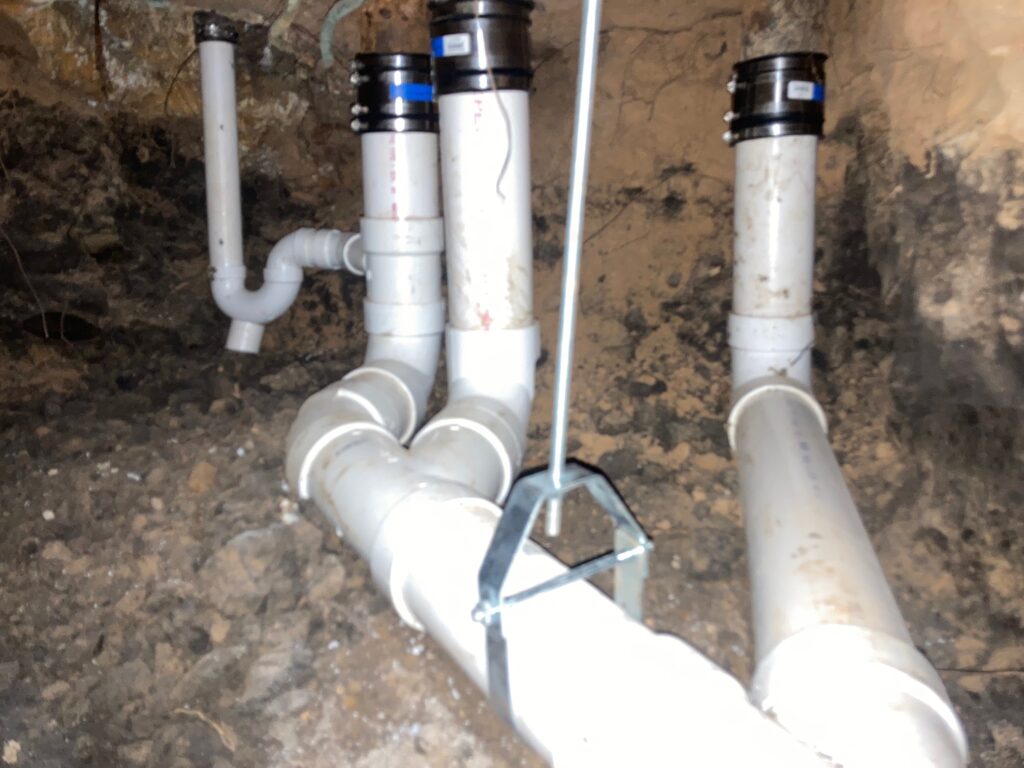
Pipes under your slab foundation take the most abuse of all. Slab foundations in Texas rest directly on the clay, so when the soil shrinks, the slab can settle, tilt, or crack. The water and drain lines running through or beneath that concrete move right along with it. Copper supply lines can rub against concrete edges until friction wears a hole through the pipe wall. Drain lines can separate at their hubs and leak sewage into the soil beneath your home, which softens the ground and makes settling even worse. This creates a destructive loop where the leak feeds the soil problem and the soil problem feeds the leak. Slab leaks waste enormous amounts of water and can undermine the structural integrity of your home. Catching them early is the difference between a targeted repair and a major foundation project.
Warning Signs of Pipe Damage From Summer Soil Movement
The earliest signs of pipe damage from soil movement usually show up on paper before they show up in your home. A water bill that jumps without any change in household habits is one of the most reliable red flags. Your water meter can confirm the suspicion; turn off every fixture in the house, then watch the meter for movement. If the dial keeps spinning with everything off, water is escaping somewhere in the system. A drop in water pressure at your faucets and showers can also point to a supply line leak underground. Some homeowners notice the sound of running water inside walls or under floors when no fixture is on. None of these signs should be ignored during a hot Texas summer. Small leaks under pressure grow quickly.
Your yard tells its own story when a buried pipe starts leaking. Look for patches of grass that stay green and lush while the rest of the lawn browns out in the heat. Soggy or spongy ground during a drought is almost never natural; it usually means a water or sewer line is discharging below the surface. Sinkholes, low spots, and areas where the soil seems to be settling faster than the surrounding yard deserve attention too. A sewer leak may add a foul odor to the mix, especially near cleanouts or along the path of the line. Pooling water near the foundation is particularly urgent because it accelerates slab movement. Take photos and note locations before calling a plumber; that information speeds up the diagnosis. Fast action here protects both your plumbing and your foundation.
Inside the house, soil movement damage shows up in subtle ways at first. Warm spots on the floor often indicate a hot water slab leak beneath the concrete. Cracks in drywall, doors that suddenly stick, and gaps around window frames can signal foundation movement driven by dry or wet soil. Musty odors, unexplained humidity, and mold along baseboards suggest moisture rising from below. Slow drains throughout the whole house, rather than at one fixture, point to a problem in the main sewer line. Gurgling toilets after you run the washing machine are another classic symptom of a compromised drain line. Any combination of these signs during peak summer heat warrants professional leak detection. Worried a hidden leak is already costing you money? Click here for our leak detection service.
Why Slab Foundation Homes Face Extra Pipe Damage From Soil Movement
Most homes in Benbrook, Fort Worth, and the surrounding Tarrant County cities are built on slab foundations. That construction style is affordable and well suited to our region in many ways, but it ties your plumbing directly to the behavior of the soil. There is no crawl space to absorb movement or provide access; the pipes are cast into or buried beneath the concrete. When drought shrinks the clay under one corner of the slab, that corner drops, and the pipes flex with it. Repeated flexing fatigues metal pipes the same way bending a paperclip back and forth eventually snaps it. Homes built before the 1980s often have cast iron drains under the slab, and decades of Texas shrink and swell cycles leave those pipes cracked and corroded. Newer homes are not immune either, because even flexible materials have limits. The slab hides all of this until symptoms surface.
The age of your neighborhood matters more than most homeowners realize. Established areas like River Oaks, White Settlement, and Haltom City have mature trees with root systems that aggressively pull moisture from the soil during summer. Those roots dry out the clay near foundations faster than open sun ever could, which intensifies soil shrinkage right where your pipes live. Large trees planted close to the house or over the sewer line path are a double threat; they shift the soil and invade damaged pipes. Older water mains in these neighborhoods also mean more pressure fluctuations that stress aging service lines. A home with original plumbing from the 1960s or 1970s has already survived dozens of drought cycles. Every additional summer adds wear. An inspection can tell you how much life those pipes have left.
Repair options for slab related pipe damage have improved dramatically, which is good news for homeowners who catch problems early. Electronic leak detection equipment can pinpoint a slab leak within inches, so plumbers no longer need to break large sections of concrete to find the source. Targeted access repairs fix the specific failed section with minimal disruption. In cases where a line has failed in multiple places, rerouting the pipe overhead through walls and attic space avoids the slab entirely. Whole home repiping becomes the smart choice when the original system is at the end of its life. Each option has a place, and an honest plumber will explain which one actually fits your situation. TD Plumbing Solutions offers financing through Hearth, so a major repair does not have to wait on your budget. The worst option is always waiting until the leak chooses the timing for you.
How to Protect Your Pipes From Dry Soil Shifting This Summer
Protecting your pipes during a Texas drought comes down to one core principle: keep the soil moisture around your home as consistent as possible. Stable soil does not shrink, and soil that does not shrink does not tear pipes apart. That means managing irrigation, watering your foundation perimeter, and controlling how trees and landscaping pull water from the ground. It also means watching for early warning signs and acting on them quickly instead of hoping they resolve on their own. Annual plumbing inspections catch weaknesses before summer stress exposes them. Pressure regulation protects lines that are already flexing under soil load. None of these steps are expensive, especially compared to a slab leak repair or sewer replacement. A consistent routine from June through September is your best defense.
Water Your Foundation to Protect Your Pipes From Dry Soil
Foundation watering is the single most effective habit for protecting buried pipes in North Texas. The goal is not to soak the ground; it is to keep the moisture level in the clay steady so the soil neither shrinks nor swells dramatically. Run soaker hoses around the perimeter of your home, placed about 12 to 18 inches away from the foundation edge. Keeping the hose off the concrete itself prevents water from pooling against the slab and encourages even absorption into the surrounding soil. During peak summer, run the hoses in the early morning or late evening for 30 to 60 minutes, several times per week depending on conditions. Watch the soil at the foundation line; visible gaps between the dirt and the concrete mean the clay is too dry. Consistency matters far more than volume here. A steady schedule beats occasional flooding every time.
Your irrigation system deserves a summer checkup as part of this plan. Broken sprinkler heads and cracked irrigation lines create wet zones that make soil movement worse, not better, because uneven moisture is the real enemy. Walk your system while it runs and look for geysers, dry patches, and heads that spray the house instead of the lawn. Adjust zones so the areas near your foundation receive coverage without oversaturation. Remember that city watering restrictions in Tarrant County typically still allow foundation watering with soaker hoses and hand watering, but verify your local rules. Mulch beds along the foundation help too, since a few inches of mulch slows evaporation and moderates soil temperature. Small landscaping choices add up to real protection for the pipes below. Think of it as insurance you can install with a garden hose.
Trees and large shrubs require honest evaluation during drought season. A mature live oak or elm can pull dozens of gallons of water from the soil every day, and it will pull hardest from the moist zones near your irrigated foundation. Roots that chase moisture toward your home dry out the clay under the slab edge and seek out sewer line joints. If large trees sit within 15 to 20 feet of your foundation or directly over your sewer path, consider root barriers installed by a professional. Deep watering the tree itself at its drip line gives roots a reason to stay put instead of migrating toward your plumbing. Avoid planting new trees over known utility lines; call 811 before any digging to locate them. Existing root intrusion in a sewer line needs mechanical clearing followed by a repair plan. Ignoring roots guarantees a repeat backup.
Schedule Leak Detection to Protect Your Pipes Before Damage Spreads
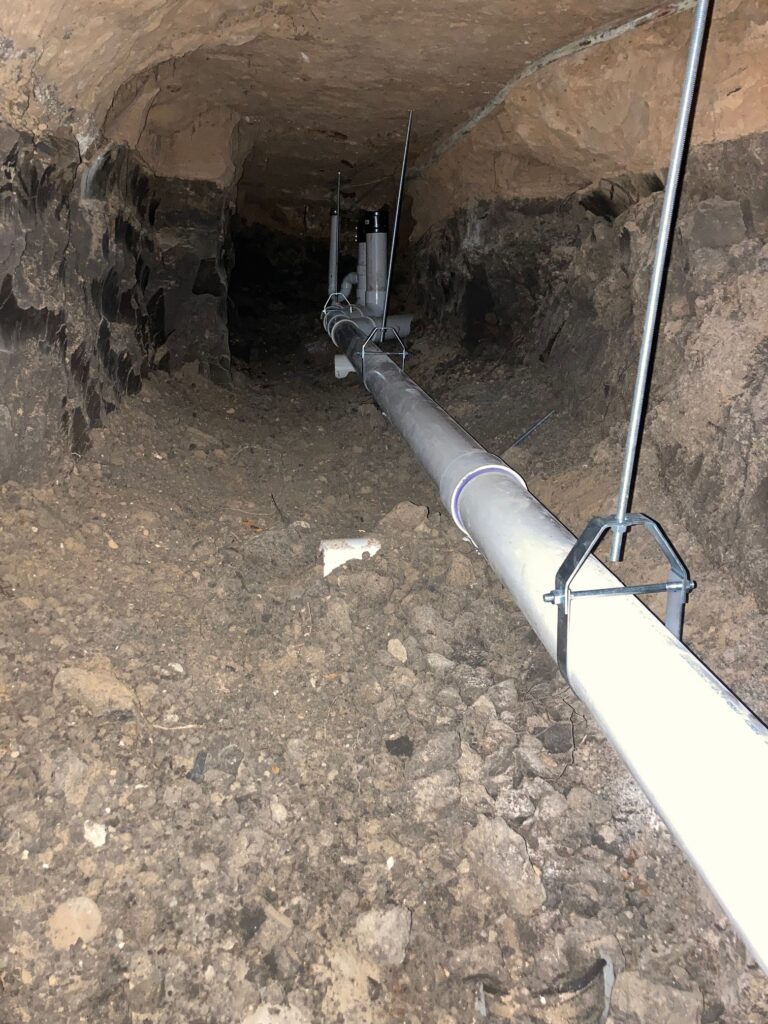
Professional leak detection turns guesswork into certainty. Licensed plumbers use acoustic listening equipment, pressure testing, and thermal imaging to locate leaks without tearing into slabs or trenching yards. Acoustic sensors pick up the distinct sound of pressurized water escaping a pipe, even through several inches of concrete. Pressure tests isolate sections of your system to confirm which line is losing water and how fast. Thermal cameras reveal temperature differences in floors that betray hot water slab leaks. This technology means a suspected leak can be confirmed and pinpointed in a single visit. The cost of detection is a fraction of the cost of exploratory demolition. Homeowners who schedule detection at the first warning sign consistently pay less for the eventual repair.
Timing your inspection matters in a state with seasons this extreme. An early summer checkup, ideally in May or June, catches weaknesses before the worst soil shrinkage arrives in July and August. A plumber can pressure test your supply lines, camera your sewer line, and evaluate visible piping for corrosion or stress in one appointment. Any marginal joints or aging sections identified early can be repaired on your schedule instead of during an emergency. Homes over 25 years old benefit from this most, since original materials are approaching the end of their expected service life. If you skipped a spring inspection, a midsummer visit still provides value; soil movement is ongoing and new stress appears weekly during a heat wave. Waiting until fall means gambling through the highest risk months. Prevention has a season, and in Texas that season is now.
Act immediately when detection confirms a problem, because summer leaks accelerate. A pinhole leak in a copper line under pressure erodes into a larger opening as water jets against the pipe wall. A cracked water line saturates the surrounding clay, causing localized swelling next to shrinking dry soil, and that contrast twists the pipe further. Sewer leaks attract roots within weeks during drought. Repair options range from spot fixes and pipe section replacement to trenchless methods that avoid destroying your yard. Your plumber should walk you through each option with straight pricing and no pressure. A burst line never picks a convenient moment, and emergency repairs always cost more than planned ones. Dealing with a sudden break right now? Click here for our burst pipe repair service.
Monitor Your Water Bill and Pressure to Protect Your Pipes
Your water bill is a free leak detector that arrives every month. Pull your last 12 months of statements and establish a baseline for summer usage, accounting for normal irrigation increases. A jump of thousands of gallons beyond that baseline signals a leak somewhere in the system. Many Tarrant County water providers offer online portals with daily or even hourly usage data, and those tools make anomalies obvious. Continuous overnight usage, when everyone is asleep and no irrigation runs, is a near certain sign of a leak. Set a calendar reminder to review usage twice a month from June through September. Five minutes of attention can catch a slab leak weeks before physical symptoms appear. Early detection at this stage often means a simple repair instead of a major one.
Learn to read your water meter, because it confirms what the bill suggests. Locate the meter box near the street, and note the position of the low flow indicator, usually a small triangle or star shaped dial. Shut off every fixture and appliance that uses water, including ice makers and irrigation. Watch the indicator for two to three minutes; any movement means water is flowing somewhere it should not be. Next, close the main shutoff valve at the house and check the meter again. If the meter stops after closing the house valve, the leak is inside or under the home; if it keeps moving, the leak is in the yard line between the meter and the house. That single test tells your plumber exactly where to focus. It costs nothing and takes ten minutes.
Water pressure management protects pipes that soil movement has already stressed. Municipal pressure in parts of Tarrant County can exceed 80 psi, and high pressure multiplies the strain on every joint and fitting in a flexing pipe system. Buy an inexpensive pressure gauge, thread it onto an outdoor spigot, and check your reading; healthy residential pressure sits between 50 and 70 psi. Readings above 80 psi call for a pressure reducing valve installed at the main line. If your home already has one, remember that these valves wear out after 10 to 15 years and often fail without obvious symptoms. Sudden banging pipes, running toilets, and dripping relief valves on the water heater all hint at pressure problems. Combined with shifting soil, unregulated pressure is a recipe for a summer pipe failure. A quick pressure check belongs on every homeowner’s summer maintenance list.
Why You Need a Professional Plumber for Summer Pipe Protection
Soil driven pipe damage hides underground and under concrete, which puts it beyond the reach of DIY fixes. A licensed plumber brings detection equipment, code knowledge, and repair experience that guesswork cannot replace. Professional inspections catch failing lines before Texas heat finishes them off, and professional repairs come with warranties that protect your investment. The cost of one prevented slab leak typically covers years of inspections. Summer is the season when small plumbing weaknesses become big plumbing emergencies. The right plumber on your side turns that risk into a manageable maintenance routine.
What a Professional Plumber Does for Summer Pipe Protection
A professional summer plumbing evaluation covers your entire system, not just one symptom. The plumber pressure tests supply lines, inspects visible piping for corrosion, and checks your water pressure against safe limits. Sewer lines get a camera inspection that reveals bellies, cracks, and root intrusion in real time on a monitor you can watch. Slab areas are evaluated with electronic detection tools when any warning signs exist. You receive a clear picture of your system’s condition and a prioritized plan. That knowledge lets you repair on your terms instead of reacting to a flood.
Professional repairs also protect you legally and financially. Texas plumbing code governs pipe materials, connections, and installation depths, and licensed work meets those standards. Insurance companies scrutinize water damage claims, and documented professional maintenance strengthens your position if a claim ever becomes necessary. Permits and inspections apply to major line replacements, and a licensed plumber handles that paperwork correctly. Unlicensed work can void warranties and complicate a future home sale. The license number on the truck matters more than most people think.
Modern repair methods minimize disruption when work is needed. Trenchless sewer repair can replace a failed line with only two small access pits instead of a trench across your entire yard. Pipe rerouting avoids slab demolition for many under slab leaks. Targeted spot repairs address a single failed joint without replacing healthy pipe. A skilled plumber matches the method to the problem and explains the reasoning. Need a damaged main line fixed the right way? Click here for our water line repair service.
When to Call a Plumber for Summer Pipe Protection
Call immediately for any active leak symptom during summer heat. Wet spots in the yard, warm floors, hissing sounds, and spiking bills all justify a same week appointment. Soil movement means today’s small leak becomes next month’s major failure. Water pooling near your foundation is especially urgent because it threatens the slab itself. Do not shut off the water and wait for cooler weather; the damage continues underground. Fast response keeps repairs small.
Schedule proactively even without symptoms if your home fits a risk profile. Houses over 25 years old, homes with large trees near the foundation, and properties with a history of foundation repair all carry elevated risk. Previous slab leaks strongly predict future ones, since the same conditions affect every line under the house. New homeowners should get a baseline sewer camera inspection before problems have a chance to surprise them. An annual checkup each spring or early summer fits most households well. Prevention scheduled in May beats an emergency in August.
Emergencies demand a plumber who answers the phone. A burst water line can release hundreds of gallons per hour into your yard or home. Know where your main shutoff valve is located and test it before you ever need it under pressure. After shutting off the water, call for help rather than attempting a pressurized line repair yourself. Temporary fixes on main lines rarely hold and often make the professional repair harder. Keep a trusted local plumber’s number saved before the crisis hits.
Why Choose TD Plumbing Solutions for Summer Pipe Protection
TD Plumbing Solutions is based right here in Benbrook, and our team works in Tarrant County soil every single day. We know how Fort Worth clay behaves in July because we repair what it breaks all summer long. Local roots mean faster response times when a line fails and real familiarity with the neighborhoods we serve, from Aledo to North Richland Hills. We are fully licensed in Texas under RMP 45333, and trained professionals handle every job. Generous warranties back every repair and installation we complete. You get local expertise with real accountability.
We believe in being your plumber for life, not for the day. That means honest recommendations, homeowner education, and zero pressure to buy work you do not need. If a spot repair solves your problem, we will not push a replacement. When a major project truly is the right call, our financing partnership with Hearth lets you handle it without draining savings. We explain your options in plain language and let you decide. Trust is built one honest visit at a time.
When you call us, a real person answers; no phone trees, no automated runaround. Our knowledgeable team helps you troubleshoot, schedules quickly, and shows up when promised. Summer soil movement will not wait for a convenient moment, and neither should your plumbing protection plan. Protect your pipes before the August heat does its worst. Call TD Plumbing Solutions today at (817) 229-9450 to schedule your summer plumbing inspection. Your foundation, your yard, and your water bill will thank you.